
LTV Calculator UK
If your property is worth £300,000 and your mortgage is £240,000, your loan-to-value ratio is 80%, in the 75 to 85% LTV band where typical 2-year fixed rates are around 4.8 to 5.5%. An extra £15,000 deposit would cut your mortgage to £225,000 and reach the better 75% band. Enter your figures below.
Calculation method: Loan-to-value ratio. This tool runs a model on the figures you enter, so there is no official rate table behind the result.

Calculator
Your Loan-to-Value Ratio
80.0%
Deposit: £60,000 (20.0%) · Mortgage: £240,000
Save £15,000 more to reach the 60 to 75% LTV band
Moving to 60 to 75% LTV could unlock rates of 4.5 to 5.1%, potentially saving hundreds per year.
LTV Band Comparison
| LTV Band | Typical Rate | Description |
|---|---|---|
| ≤60% LTV | 4.2 to 4.8% | Best rates available |
| 60 to 75% LTV | 4.5 to 5.1% | Very competitive rates |
| 75 to 85% LTV← You | 4.8 to 5.5% | Good rates, larger range |
| 85 to 90% LTV | 5.2 to 6.0% | Higher rate band |
| 90 to 95% LTV | 5.8 to 6.8% | Limited lender choice |
*Indicative rates for 2-year fixed mortgages as of early 2026. Actual rates vary by lender, term, and personal circumstances.
Property Value
£300,000
Mortgage Amount
£240,000
Deposit
£60,000 (20.0%)
LTV Band
75 to 85% LTV
What this calculation assumes
Loan-to-value is the loan divided by the property value, expressed as a percentage. Band boundaries shown are the tiers lenders commonly price at, not an offer.
- The property value you enter is the figure a lender's valuation would agree
- No product, rate or eligibility outcome is implied by a band
Stay updated
Get UK Finance Tips Weekly
Tax changes, HMRC rate updates, and money-saving guides. No spam - unsubscribe any time.
How LTV Calculator UK Works
How LTV is Calculated
LTV (loan-to-value) is the ratio of your mortgage to the property's value, expressed as a percentage. The formula is: LTV = (Mortgage ÷ Property Value) × 100.
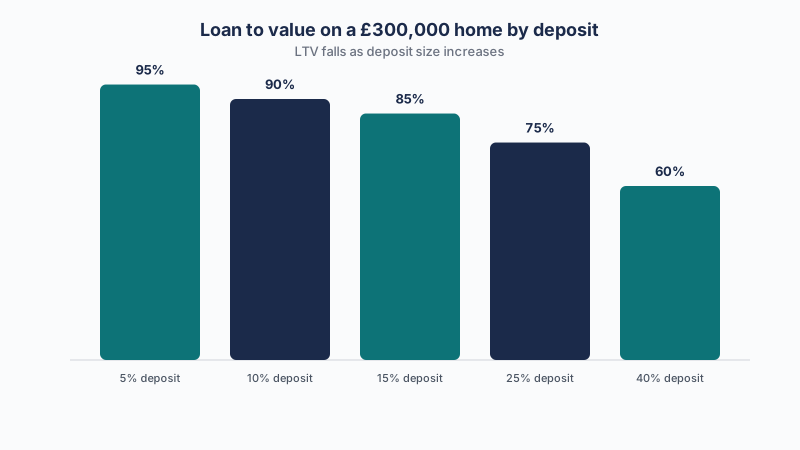
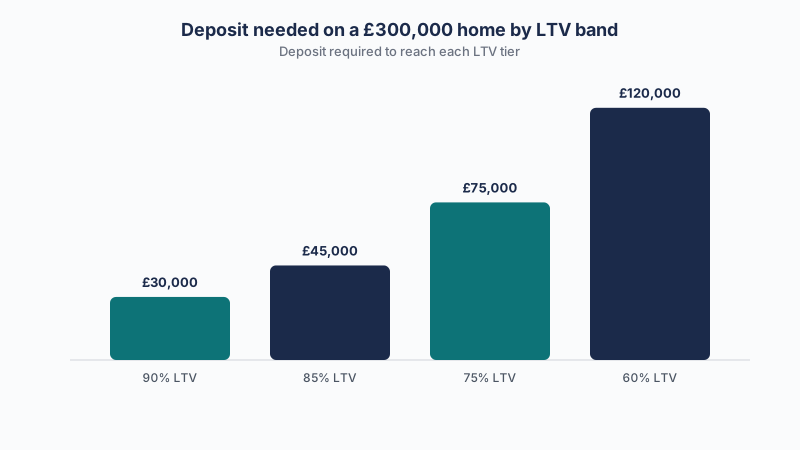
Worked example: You want to buy a £300,000 property and have saved a £60,000 deposit. Your mortgage = £300,000 − £60,000 = £240,000. LTV = £240,000 ÷ £300,000 × 100 = 80%. This places you in the 75 to 85% band, where typical 2-year fixed rates in 2025 are around 4.8 to 5.5%. To reach the better 75% band, you need a mortgage of £225,000 or less - meaning a deposit of at least £75,000 (£15,000 more). At an 80% LTV with a £240,000 mortgage, that extra £15,000 deposit could save you 0.3 to 0.5% on your rate, potentially £720 to £1,200 per year.
Why LTV Bands Matter for Mortgage Rates
Mortgage lenders price products in LTV tiers, typically at 60%, 75%, 80%, 85%, 90%, and 95%. Each lower tier unlocks lower interest rates because the lender faces less risk. The difference between the 85% and 75% LTV tier can be 0.5 to 1.0% in rate. On a £200,000 mortgage, that's £1,000 to £2,000 in annual interest savings - often more valuable than the extra deposit required.
Worked Example: Cost of Being in the Wrong Band
Suppose your LTV is 76% on a £250,000 mortgage. You could reach 75% LTV by increasing your deposit by just £2,500 (1% of the property value). If that drops your rate from 5.2% to 4.7%, your annual saving is £250,000 × 0.5% = £1,250. You recover the extra deposit in under two years and save thousands over the remaining mortgage term.
How to Improve Your LTV
You can lower your LTV by: (1) saving a larger deposit before purchasing; (2) making regular mortgage overpayments to reduce the balance faster; (3) waiting for property values to rise before remortgaging (though this cannot be relied upon); or (4) making home improvements that increase the surveyor's valuation before a remortgage. Most lenders allow overpayments of up to 10% of the balance per year penalty-free, directly improving your LTV for the next product transfer or remortgage.
Deposit vs Mortgage Toggle
The calculator works in both directions. If you know your deposit, enter that and it calculates the mortgage and LTV. If you know the mortgage amount you need, toggle to mortgage mode. Both give the same LTV result.
Interest Rate Indicatives
The rate ranges shown are indicative for 2-year fixed-rate mortgages in early 2026, sourced from published lender rate sheets. Actual rates depend on your lender, loan size, personal income, credit profile, and product type. Always compare quotes from multiple lenders or use a whole-of-market mortgage broker.
Frequently Asked Questions
Loan-to-value (LTV) is the ratio of your mortgage amount to the property's value, expressed as a percentage. For example, a £180,000 mortgage on a £200,000 property gives an LTV of 90%. Lenders use LTV to assess risk - the higher the LTV, the more the lender stands to lose if you default, so higher LTV mortgages come with higher interest rates.
Lenders price mortgages according to risk. At 60% LTV you're borrowing just 60% of the property's value, leaving a large equity buffer. If you default and the property falls in value, the lender can still recover their money. At 90% LTV, there's much less buffer, so lenders charge a higher rate to compensate for the additional risk.
You can improve your LTV by: (1) saving a larger deposit before purchasing; (2) making overpayments on your mortgage to reduce the balance faster; (3) waiting for property prices to rise (though this can't be relied upon); or (4) making home improvements that increase your property's value before a remortgage valuation.
60% LTV or below typically unlocks the best mortgage rates available. Many lenders price in tiers at 60%, 75%, 80%, 85%, 90%, and 95% LTV. Each lower tier usually means lower rates. If you're close to a lower band, it can be worth increasing your deposit by a small amount to cross the threshold - the ongoing savings can easily outweigh the extra upfront cost.
Yes - 95% LTV mortgages are available, but from a limited range of lenders. They typically carry the highest rates available and may require mortgage indemnity guarantee insurance. The government's Mortgage Guarantee Scheme has supported 95% LTV lending. First-time buyers are the most common users of 95% LTV mortgages. Having a 5% deposit means any fall in property value could put you in negative equity.
Related Calculators
View allBuy-to-Let Mortgage Calculator
Calculate BTL mortgage costs, rental yield, and monthly profit.
Mortgage Overpayment Calculator
See how overpayments reduce your mortgage balance and LTV faster.
Stamp Duty Calculator
Calculate SDLT for standard, first-time buyer, and additional property purchases.
Property Calculators
All UK property and mortgage calculators in one place.
Related Guides
LTV Ratio: How Loan-to-Value Affects Your Mortgage Rate
Your loan-to-value ratio is the single biggest factor in the mortgage rate you're offered. We explain LTV bands and how to get a better deal.
Read guideHow Mortgage Overpayments Save You Thousands
Making overpayments reduces your LTV faster, unlocking better rates at remortgage. Here's the full calculation.
Read guideMortgage LTV and Rate Guide
A complete guide to LTV bands, how to improve your LTV, and how to find the best mortgage rates at every tier.
Was this useful?
Sources and method
This calculator has no external rate table behind it. The result comes from the figures you enter and the model described in our methodology.
Method: Loan-to-value ratio.
Spotted a figure that looks wrong? Report a correction and we will check it against the source above.
Further reading
Background references used while writing this page. The sources behind the calculated figures are listed above.
Disclaimer: This calculator provides estimates based on standard HMRC rates for 2026/27. Results may vary based on individual circumstances. This is not financial advice. Always consult a qualified accountant or CIMA-qualified financial adviser for personal tax matters.