
Rental Yield Calculator
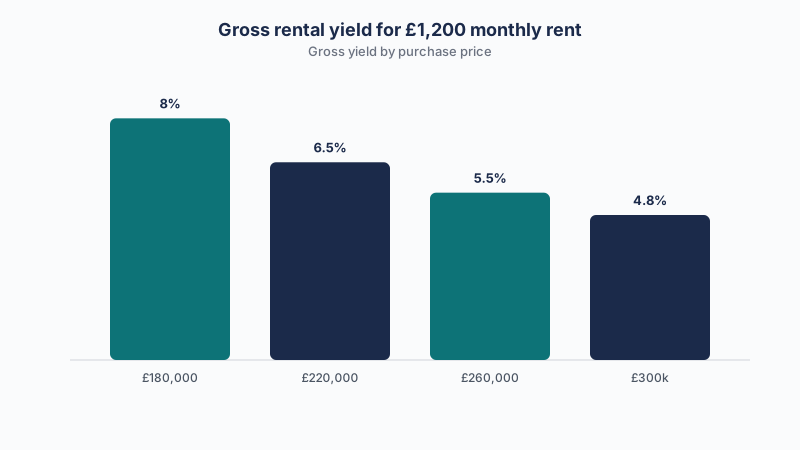
Rental yield measures annual return on a buy-to-let as a percentage of property value. Gross yield divides annual rent by value; net yield subtracts costs including fees, maintenance, voids and mortgage. A gross yield of 5 to 7% is good in most UK regions. Enter your property details below.
Calculation method: Rental yield and cash flow. This tool runs a model on the figures you enter, so there is no official rate table behind the result.

Calculator
The current market value or purchase price of the property.
The monthly rent you charge or plan to charge.
Average months per year the property is empty. UK average is about 0.5 to 1 month.
Include letting agent fees (8 to 15%), buildings insurance, maintenance, service charges, ground rent, etc.
Your monthly mortgage payment. Leave as 0 for an unencumbered property.
What this calculation assumes
Gross yield is annual rent divided by property value. Net yield deducts the running costs you enter. Cash flow deducts mortgage payments as well.
- The rent you enter is achieved with no void periods unless you enter a void allowance
- Costs are only those you enter; nothing is assumed on your behalf
- Tax treatment depends on how you hold the property and is shown separately where relevant
Stay updated
Get UK Finance Tips Weekly
Tax changes, HMRC rate updates, and money-saving guides. No spam - unsubscribe any time.
How Rental Yield Calculator Works
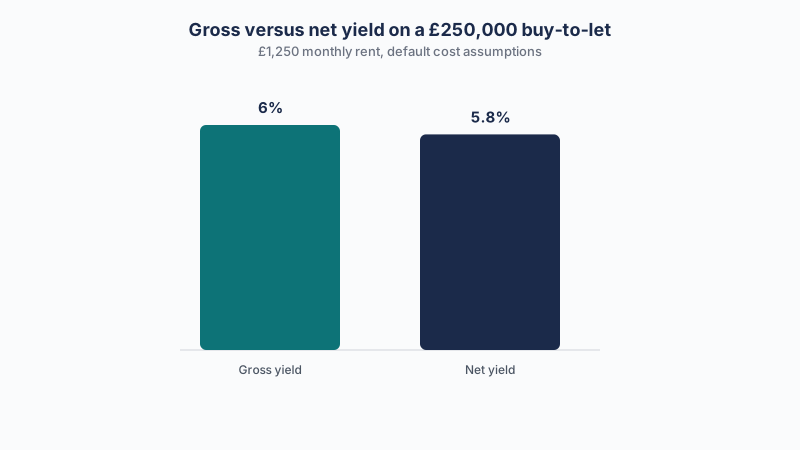
Gross yield = (Monthly Rent × 12) / Property Value × 100. Net yield = (Annual Rent - Void Costs - Annual Running Costs - Mortgage Payments) / Property Value × 100.
Void periods
Most landlords experience some void (empty) periods between tenancies. The UK average is approximately 0.5 to 1 month per year. Budget for this realistically. A high-demand area may have zero voids, while a lower-demand market might average 2 to 3 months.
What isn't included
This calculator doesn't include income tax on rental profits (which depends on your total income and the Section 24 impact on mortgage interest). Use our Buy-to-Let Calculator for a full post-tax analysis.
Frequently Asked Questions
A gross rental yield of 5 to 7% is generally considered good for UK buy-to-let. Net yield (after costs, voids, and mortgage) is typically 2 to 4% lower. Higher-yielding areas include Manchester, Leeds, Liverpool, and parts of the Midlands. London yields are typically lower at 3 to 4% gross due to high property prices.
Gross yield = (Annual Rent / Property Value) × 100. Net yield accounts for all costs: letting agent fees (typically 8 to 15% of rent), buildings insurance, maintenance, void periods, service charges, and mortgage costs. Net yield is the more meaningful figure for assessing profitability.
The main costs are: letting agent fees (8 to 15% of rent for full management), buildings insurance (£200 to £500/year), maintenance and repairs (budget 1% of property value per year), service charges and ground rent (leasehold properties), void periods (budget 1 month per year), accountancy fees, and mortgage interest (no longer deductible against income; only a 20% tax credit applies).
Section 24 (fully phased in from 2020/21) means landlords can no longer deduct mortgage interest from rental income. Instead, you get a 20% tax credit on the interest. This significantly affects higher-rate taxpayers. A higher-rate taxpayer with a highly leveraged property may now make an actual loss on a property that appears profitable before tax.
Was this useful?
Sources and method
This calculator has no external rate table behind it. The result comes from the figures you enter and the model described in our methodology.
Method: Rental yield and cash flow.
Spotted a figure that looks wrong? Report a correction and we will check it against the source above.
Further reading
Background references used while writing this page. The sources behind the calculated figures are listed above.
Disclaimer: This calculator provides estimates based on standard HMRC rates for 2026/27. Results may vary based on individual circumstances. This is not financial advice. Always consult a qualified accountant or CIMA-qualified financial adviser for personal tax matters.