
Stamp Duty Calculator 2026/27
On a £350,000 purchase in 2026/27, a standard buyer pays £7,500 Stamp Duty: 0% on the first £125,000, 2% on the next £125,000 and 5% on the rest. A first-time buyer pays £2,500. A buy-to-let investor pays £25,500 including the 5% surcharge. Use the calculator below.
Source: HMRC Stamp Duty Land Tax residential rates. Supports the band table and first-time buyer relief result. Source checked on .

Calculator
UK Stamp Duty Calculator
April 2026 SDLT rates - England & Northern Ireland
Enter the full purchase price of the property
Your buyer status determines which SDLT rates apply
Results
SDLT Calculation
Total Stamp Duty
- Effective Rate2.14%
- Property Price£350,000
| Band | Rate | Taxable | Tax Due |
|---|---|---|---|
| 0% (£0 to 125,000) | 0% | £125,000 | £0 |
| 2% (£125,001 to £250,000) | 2% | £125,000 | £2,500 |
| 5% (£250,001 to £925,000) | 5% | £100,000 | £5,000 |
| 10% (£925,001 to £1,500,000) | 10% | - | - |
| 12% (over £1,500,000) | 12% | - | - |
| Total SDLT | £7,500 | ||
SDLT Quick Reference - Common Property Prices
Standard residential rates
| Property Price | Stamp Duty | Effective Rate |
|---|---|---|
| £100,000 | £0 | 0.00% |
| £200,000 | £1,500 | 0.75% |
| £300,000 | £5,000 | 1.67% |
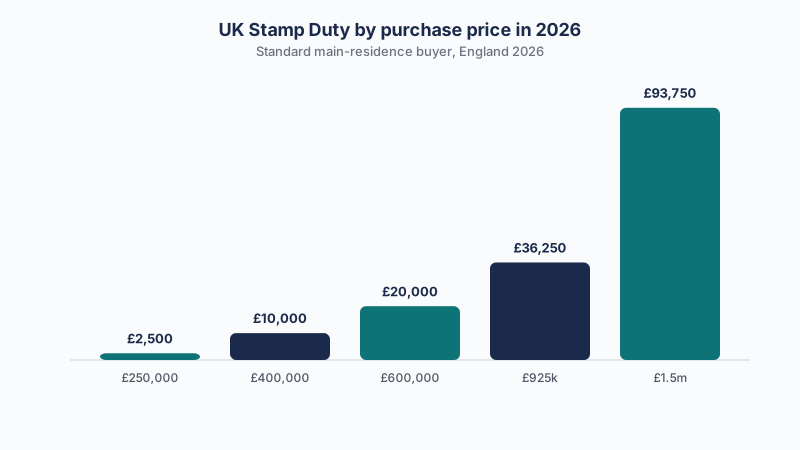
| £400,000 | £10,000 | 2.50% |
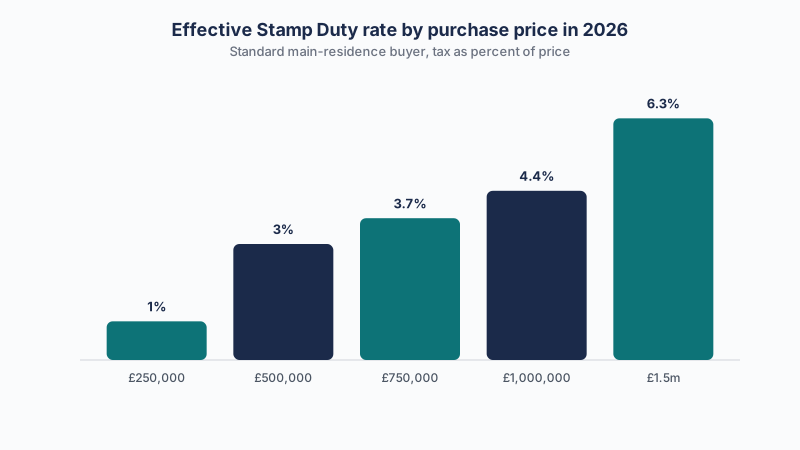
| £500,000 | £15,000 | 3.00% |
| £750,000 | £27,500 | 3.67% |
| £1,000,000 | £43,750 | 4.38% |
Stay updated
Get UK Finance Tips Weekly
Tax changes, HMRC rate updates, and money-saving guides. No spam - unsubscribe any time.
How Stamp Duty Calculator 2026/27 Works
Stamp Duty Land Tax (SDLT) is a marginal tax - like income tax, you only pay each rate on the portion of the purchase price that falls within that band, not on the full price. Rates and thresholds here are based on official HMRC guidance effective from April 2026.
Worked example: Standard buyer, £350,000 property
On a £350,000 property, a standard buyer in 2026/27 pays SDLT as follows:
- 0% on £0 to £125,000 = £0
- 2% on £125,001 to £250,000 (£125,000 taxable) = £2,500
- 5% on £250,001 to £350,000 (£100,000 taxable) = £5,000
- Total SDLT = £7,500 (effective rate: 2.14%)
The key point: only the £100,000 above £250,000 is taxed at 5% - not the full £350,000.
First-time buyer relief - how it changes the calculation
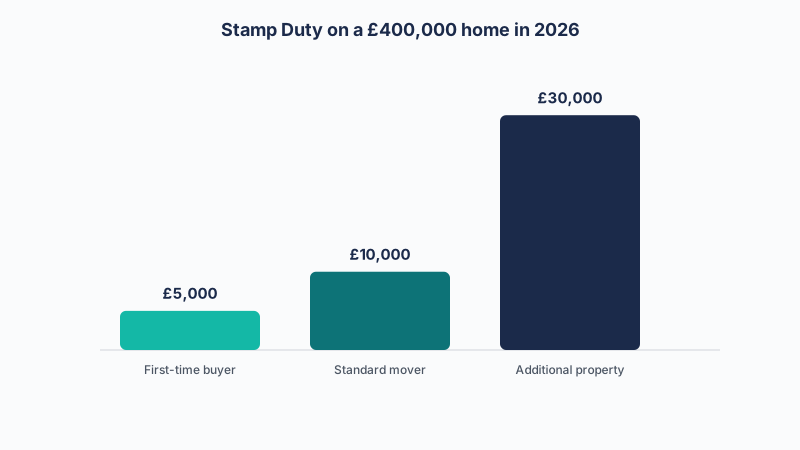
A first-time buyer purchasing the same £350,000 property pays 0% on the first £300,000 (£0) and 5% on the remaining £50,000 = £2,500 total. Compared to a standard buyer's £7,500, first-time buyer relief saves £5,000 on this purchase. Relief is only available on properties up to £500,000. Above that, standard rates apply to the full price.
Additional property surcharge
Buying a second home, a buy-to-let, or any additional residential property attracts a flat 5% surcharge on the full purchase price on top of standard SDLT. On a £350,000 buy-to-let: standard SDLT of £7,500 + surcharge of £17,500 (5% × £350,000) = £25,000 total. The surcharge was raised from 3% to 5% in October 2024.
SDLT rates reference table (April 2026)
Standard buyer: 0% up to £125,000; 2% on £125,001 to £250,000; 5% on £250,001 to £925,000; 10% on £925,001 to £1,500,000; 12% above £1,500,000. First-time buyer: 0% up to £300,000; 5% on £300,001 to £500,000; above £500,000 standard rates apply. Additional property: standard rates plus 5% surcharge on full price.
Scotland and Wales
This calculator covers England and Northern Ireland only. Scotland uses Land and Buildings Transaction Tax (LBTT) administered by Revenue Scotland, and Wales uses Land Transaction Tax (LTT) administered by the Welsh Revenue Authority - both with different thresholds and rates.
When and how to pay
SDLT must be paid within 14 days of completion. Your conveyancer or solicitor normally files the SDLT return and makes the payment to HMRC on your behalf as part of the conveyancing process. Late filing or payment attracts penalties and interest.
Frequently Asked Questions
Stamp Duty Land Tax (SDLT) is a tax paid to HMRC when you buy a residential property in England or Northern Ireland above a certain price threshold. SDLT is a marginal tax - like income tax, you only pay each rate on the portion of the purchase price that falls within that band, not on the full amount. You must file and pay within 14 days of completing your purchase. Your solicitor or conveyancer normally handles the SDLT return and payment to HMRC on your behalf as part of the purchase process.
From April 2026, the SDLT rates for standard residential buyers are: 0% on the first £125,000; 2% on £125,001 to £250,000; 5% on £250,001 to £925,000; 10% on £925,001 to £1,500,000; and 12% above £1,500,000. These are marginal rates. On a £350,000 property, you pay £0 + £2,500 + £5,000 = £7,500 total - an effective rate of 2.14%. The thresholds reverted in April 2026 from the temporary higher thresholds that applied from September 2022 to March 2025.
Yes. First-time buyers receive relief under SDLT rules introduced from April 2026. They pay 0% on the first £300,000 and 5% on the portion between £300,001 and £500,000. On a £300,000 purchase, that means no stamp duty at all - saving £5,000 versus a standard buyer. On a £400,000 purchase, a first-time buyer pays just £5,000 (5% on the £100,000 above £300,000). If the property exceeds £500,000, first-time buyer relief is fully withdrawn and standard rates apply to the entire price.
If you already own a residential property and are buying another - including buy-to-let investments, second homes, and holiday properties - you pay a 5% SDLT surcharge on top of standard rates, applied to the full purchase price (not just a portion). On a £300,000 second home, this adds £15,000 on top of the standard £5,000 SDLT - a total of £20,000. The surcharge was increased from 3% to 5% from October 2024. You may reclaim the surcharge if you sell your previous main residence within three years of the new purchase.
No. Scotland uses Land and Buildings Transaction Tax (LBTT) and Wales uses Land Transaction Tax (LTT). Both have different thresholds and rates to SDLT. In Scotland, LBTT starts at 0% on properties up to £145,000, with rates rising to 12% above £750,000. Wales's LTT has different bands again. This calculator covers England and Northern Ireland only. If you are buying in Scotland or Wales, please use the respective LBTT and LTT calculators on their government revenue authority websites.
Stamp Duty rates and thresholds are unchanged from 2025/26. The nil rate threshold remains £125,000, the first-time buyer relief threshold remains £300,000 (for properties up to £500,000), and the additional property surcharge remains 5%.
You may be entitled to a refund of the additional property surcharge (5%) if you subsequently sell your previous main residence. To qualify, the sale must be completed within three years of purchasing the new property, and you must apply to HMRC within 12 months of the sale (or within 12 months of filing the original SDLT return, whichever is later). You can apply for the refund online via HMRC's SDLT portal. A refund is not available if you failed to claim the relief at the time of purchase in circumstances where it was clearly applicable.
On a £500,000 property as a standard buyer from April 2026: 0% on the first £125,000 = £0; 2% on £125,001 to £250,000 = £2,500; 5% on £250,001 to £500,000 = £12,500. Total: £15,000 (effective rate 3%). As a first-time buyer at exactly £500,000: 0% on first £300,000 = £0; 5% on £200,000 = £10,000. Total: £10,000 - saving £5,000 versus a standard buyer. As an additional property buyer: £15,000 standard SDLT + £25,000 surcharge (5% of £500,000) = £40,000 total.
Related Calculators
View allCouncil Tax Calculator
Estimate your annual and monthly council tax by band for 2026/27
Mortgage Overpayment Calculator
See how much interest you can save with overpayments
Buy-to-Let Calculator
Calculate rental yield, cashflow and BTL returns
LTV Calculator
Work out your loan-to-value ratio and mortgage tier
Bridging Loan Calculator
Estimate costs on short-term bridging finance
Related Guides
First Time Buyer Guide UK 2026
Stamp Duty relief, Lifetime ISA bonus, deposits, and the step by step buying process.
Read guideStamp Duty Rates 2026/27 Explained
A complete guide to the April 2026 SDLT changes, first-time buyer relief and buy-to-let surcharges.
Read guideBuy-to-Let Tax Changes 2025
How the latest tax changes affect landlords, rental yields and your overall property investment.
Read guideLTV Explained: Why Your Deposit Size Matters
How your loan-to-value ratio affects your mortgage rate, monthly payments and total cost.
Read guideUK Stamp Duty Guide 2026/27
Complete PDF guide to SDLT in England and Northern Ireland: all bands, first-time buyer relief rules, additional property surcharge, refund eligibility, and a worked examples table for 15 property price points.
Was this useful?
Sources and method
- HMRC Stamp Duty Land Tax residential rates (HM Revenue & Customs). Supports: The band table and first-time buyer relief result. England and Northern Ireland, From 1 April 2026. Source checked on .
- HMRC additional property SDLT surcharge (HM Revenue & Customs). Supports: The additional dwellings surcharge line. England and Northern Ireland, From 1 April 2026. Source checked on .
Spotted a figure that looks wrong? Report a correction and we will check it against the source above.
Further reading
Background references used while writing this page. The sources behind the calculated figures are listed above.
Disclaimer: This calculator provides estimates based on standard HMRC rates for 2026/27. Results may vary based on individual circumstances. This is not financial advice. Always consult a qualified accountant or CIMA-qualified financial adviser for personal tax matters.