
Land Registry Fee Calculator UK 2026
When you buy in England or Wales, HM Land Registry charges a registration fee based on the purchase price. For most electronic residential applications, fees run from £20 to £500; on a £250,000 home the fee is £150. This calculator shows your fee for electronic and postal applications. Enter the price below.
Source: HM Land Registry registration fees. Supports the Scale 1 and Scale 2 fee bands and the reduced electronic fee.

Calculator
The price paid for the property, used to determine the Scale 1 fee band.
Results
Your land registry fee
Electronic registration fee
Postal fee would be £330
- Postal fee£330
- Saving by filing electronically£180
- Price band£200,001 to £500,000
- NoteSeparate from Stamp Duty Land Tax
HM Land Registry fees 2026, England and Wales:
- Charged on a purchase to register the new owner
- Electronic fees range from £20 to £500 by price band
- Postal fees are higher, from £45 to £1,105
- Most conveyancers submit electronically, so the electronic fee usually applies
- This fee is separate from Stamp Duty Land Tax
Stay updated
Get UK Finance Tips Weekly
Tax changes, HMRC rate updates, and money-saving guides. No spam - unsubscribe any time.
How much is the land registry fee in 2026?
The HM Land Registry fee depends on the purchase price and how the application is submitted. For a standard residential purchase filed electronically, which is how almost all conveyancers submit, the fee runs from £20 for the cheapest properties up to £500 for those over £1 million. On a typical £250,000 home the fee is £150, and on a £450,000 home it is still £150, because both fall in the same price band. Postal applications cost more, so the same £250,000 purchase would be £330 by post. The calculator above shows both so you can see the difference.
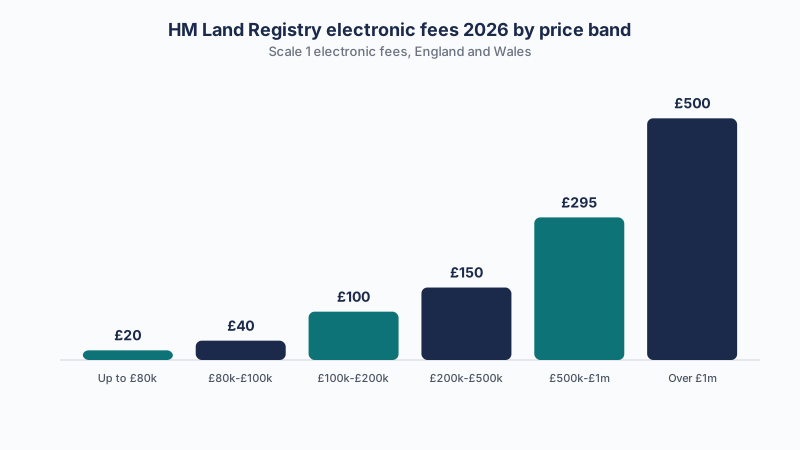
The HM Land Registry fee scale
HM Land Registry uses the Scale 1 fee scale for purchases and transfers, with the fee set by which price band the property falls into. The full 2026 scale for England and Wales is below, showing both the reduced electronic fee and the higher postal fee.
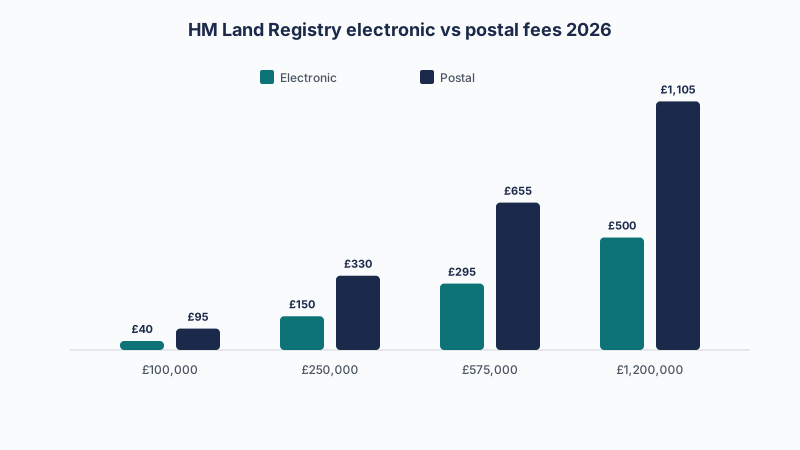
| Property price | Electronic fee | Postal fee |
|---|---|---|
| Up to £80,000 | £20 | £45 |
| £80,001 to £100,000 | £40 | £95 |
| £100,001 to £200,000 | £100 | £230 |
| £200,001 to £500,000 | £150 | £330 |
| £500,001 to £1 million | £295 | £655 |
| Over £1 million | £500 | £1,105 |
Electronic versus postal fees
HM Land Registry charges a lower fee when an application is submitted electronically through its portal or Business Gateway, rather than on paper. The reduced electronic fees apply to a transfer of whole, which is what happens in a normal residential purchase where the entire property changes hands. Because almost all conveyancers file electronically, the electronic fee is the one most buyers actually pay. Paper applications, and certain other application types such as transfers of part or lease registrations, do not get the reduction and pay the higher postal fee.
Is the land registry fee the same as Stamp Duty?
No, they are two separate charges paid to two different parts of government. Stamp Duty Land Tax is a tax on the purchase, paid to HMRC, and it can run to thousands of pounds. The land registry fee is a much smaller administrative charge, from £20 to £500 for electronic applications, paid to HM Land Registry to record you as the new owner. Your conveyancer usually pays the land registry fee on your behalf and passes it on as a disbursement on your completion statement.
Scale 1 and Scale 2 fees
The fee scale on this page is Scale 1, which applies to purchases and transfers where money changes hands, and to first registrations. There is a separate Scale 2, which is lower, for applications that do not involve a purchase price, such as registering a mortgage or transferring a property as a gift. When a lender registers a mortgage, the Scale 2 fee is based on the amount of the loan rather than the property value, so a remortgage is charged on the new loan amount, not the price of the house.
First registration and voluntary registration
If a property has never been registered, a first registration is needed, which uses the Scale 1 fee on paper rates. Most property in England and Wales is already registered, so this is uncommon in a normal purchase. If an owner chooses to register an unregistered property when they do not have to, this is a voluntary first registration, and HM Land Registry currently reduces the Scale 1 fee by 25 percent as an incentive.
Are land registry fees different in Scotland and Northern Ireland?
Yes. The fees on this page apply to England and Wales, which share the HM Land Registry system. Scotland has its own register, the Registers of Scotland, with its own fee scale, and Northern Ireland has a separate Land Registry as well. If you are buying in Scotland or Northern Ireland, the figures here are a guide to the type of charge rather than the exact amount.
Plan the rest of your purchase costs
The registration fee is one of several costs when buying. To check what rent or mortgage you can realistically afford first, use the rent affordability calculator, and to see your take-home pay behind it all, use the salary calculator.
Frequently Asked Questions
For a standard residential purchase submitted electronically, the HM Land Registry fee ranges from £20 to £500 depending on the price. On a £250,000 home it is £150, on a £575,000 home it is £295, and on a property over £1 million it is £500. Postal applications cost more, from £45 to £1,105.
The fee is set by which price band the property falls into, not as a percentage. For example, any property priced between £200,001 and £500,000 has an electronic fee of £150, and anything between £500,001 and £1 million is £295. The calculator matches your price to the correct band.
Electronic applications, filed through HM Land Registry's portal, get a reduced fee, while postal applications pay more. For a £250,000 purchase the electronic fee is £150 and the postal fee is £330. Most conveyancers file electronically, so buyers usually pay the lower electronic fee.
No. Stamp Duty Land Tax is a tax paid to HMRC on the purchase and can be thousands of pounds. The land registry fee is a separate, much smaller charge, from £20 to £500 electronically, paid to HM Land Registry to record the change of ownership.
Scale 1 applies to purchases and transfers where money changes hands, and is the scale shown on this page. Scale 2 is lower and applies to applications without a purchase price, such as registering a mortgage, where the fee is based on the loan amount rather than the property value.
Yes, but it is a Scale 2 fee based on the new loan amount, not the property value, and it is lower than a purchase fee. Your conveyancer handles registering the new lender's charge and removing the old one.
Yes. The fees on this page apply to England and Wales. Scotland uses the Registers of Scotland with its own fee scale, and Northern Ireland has a separate Land Registry, so the exact charge differs in those nations.
Related Calculators
View allWas this useful?
Sources and method
- HM Land Registry registration fees (HM Land Registry). Supports: The Scale 1 and Scale 2 fee bands and the reduced electronic fee. England and Wales, Fee Order in force.
Spotted a figure that looks wrong? Report a correction and we will check it against the source above.
Further reading
Background references used while writing this page. The sources behind the calculated figures are listed above.
Disclaimer: This calculator provides estimates based on standard HMRC rates for 2026/27. Results may vary based on individual circumstances. This is not financial advice. Always consult a qualified accountant or CIMA-qualified financial adviser for personal tax matters.