
Remortgage Calculator UK 2026: Compare and Save
This remortgage calculator shows whether switching deal could save you money. Enter your outstanding balance, current rate, the new rate, and any fees, and it compares your monthly payment and total cost. Remortgaging often makes sense when a fixed deal ends and you move off the higher standard variable rate.
Calculation method: Amortised loan repayment formula. This tool runs a model on the figures you enter, so there is no official rate table behind the result.

Calculator
Your current remaining mortgage balance.
Years left on your mortgage.
Your existing rate, for example your SVR or fixed deal rate.
The rate on the remortgage deal you are comparing.
One off fee on the new deal, if any.
How many years to compare payments and fees.
Early Repayment Charge (optional)
Enter your mortgage details to compare deals
See whether a lower rate could save enough to cover switching fees.
What this calculation assumes
Monthly payment is the standard annuity formula, P x (r(1+r)^n) / ((1+r)^n - 1), where r is the interest rate you enter divided by twelve and n is the term in months. Interest is charged on the reducing balance each month.
- The interest rate you enter is fixed for the whole term
- Payments are monthly, equal, and made on time
- Fees, insurance and any early repayment charge are excluded unless you enter them
- This is not a quote and no lender's actual pricing is used
- The comparison uses the two rates you enter; no lender's live product pricing is retrieved
Stay updated
Get UK Finance Tips Weekly
Tax changes, HMRC rate updates, and money-saving guides. No spam - unsubscribe any time.
How this remortgage calculator works
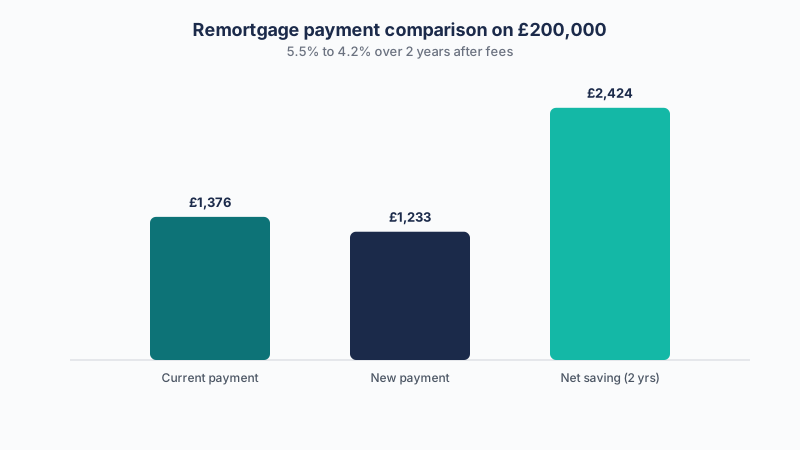
We calculate your current and new monthly payments using the standard UK repayment mortgage formula on your outstanding balance and remaining term. The monthly saving is the difference between those payments. We multiply that by your chosen comparison period (2 or 5 years), then subtract the product fee and any early repayment charge to show a net saving figure.
Assumptions: capital and interest repayment, fixed monthly payments, the same balance and term for both rates, and fees paid upfront from the saving. Interest is calculated monthly from the annual rate divided by 12.
When remortgaging is worth it
Remortgaging often makes sense when a fixed rate deal is ending and you would otherwise move onto your lender's standard variable rate, which is usually higher. It can also be worth switching mid deal if the rate saving over the comparison period clearly beats the product fee and early repayment charge, though that is less common while ERCs apply.
A positive net saving in this calculator is a starting point, not a guarantee. Check the full deal terms, any tie in period, and whether the new rate is fixed or variable before you apply.
The costs to watch
- Early repayment charge: a fee for leaving your current deal before it ends, often a percentage of the balance.
- Product or arrangement fee: a charge on the new mortgage, sometimes added to the loan.
- Valuation and legal fees: many remortgage products include free valuation and legal work, but not all. Add any extra costs to the product fee field if you want them in the comparison.
Loan to value and rates
A lower loan to value usually unlocks a better interest rate. Paying down the balance or a higher property valuation at remortgage can move you into a cheaper LTV band. Use the LTV calculator to see your current ratio and which rate tiers you may qualify for.
Frequently Asked Questions
It depends on your balance, the rate difference, and fees. Enter your figures above to see an estimate.
Often yes when a fixed deal ends, if the saving over the deal period beats the fees and any early repayment charge.
A fee some lenders charge for leaving a deal early, often a percentage of the balance, which can make switching mid deal costly.
A product or arrangement fee is common, plus valuation and legal costs, though many remortgage deals include free valuation and legal work.
A lower loan to value usually unlocks a better interest rate. Paying down the balance can move you into a cheaper band.
Usually around three to six months before your current deal ends, since offers can be held for a period.
Yes, some people remortgage to release equity, though this increases the loan and the cost.
No, it is an estimate based on the rates and fees you enter. Real deals and rates vary.
Related Calculators
View allMortgage Calculator
Calculate monthly repayments on a new loan amount.
LTV Calculator
See how loan to value affects the rates you can access.
Mortgage Overpayment Calculator
See how overpaying cuts interest before you remortgage.
Mortgage Affordability Calculator
Estimate how much you could borrow on a new deal.
Was this useful?
Sources and method
This calculator has no external rate table behind it. The result comes from the figures you enter and the model described in our methodology.
Method: Amortised loan repayment formula.
Spotted a figure that looks wrong? Report a correction and we will check it against the source above.
Further reading
Background references used while writing this page. The sources behind the calculated figures are listed above.
Disclaimer: This calculator provides estimates based on standard HMRC rates for 2026/27. Results may vary based on individual circumstances. This is not financial advice. Always consult a qualified accountant or CIMA-qualified financial adviser for personal tax matters.